
Aiden Jae
Seeing What Makes a Brand Different and Proving It at Every Layer
My wife studied oil painting at Parsons and Brooklyn College. She designs fine jewelry and has the pieces manufactured sustainably from 100% recycled solid 9k gold through RJC-certified partners. Genuine stones, responsibly sourced. Pouches sewn in-house from organic wool felt. Carbon neutral shipping. Pollinator protection funded from every sale. She runs the business this way because she believes in it, not because it reads well on an About page.
She had the product and the expertise. What she didn’t have was any way to put it in front of someone. No brand, no platform, no photography system. I built all of it.
The first question was what made this brand different from everything else in the category, and then making sure every piece of the system proved it. She works in solid recycled gold at a price point between fast fashion and traditional luxury. The sustainability is baked into how the business actually operates. But none of that means anything if the customer can’t see it.


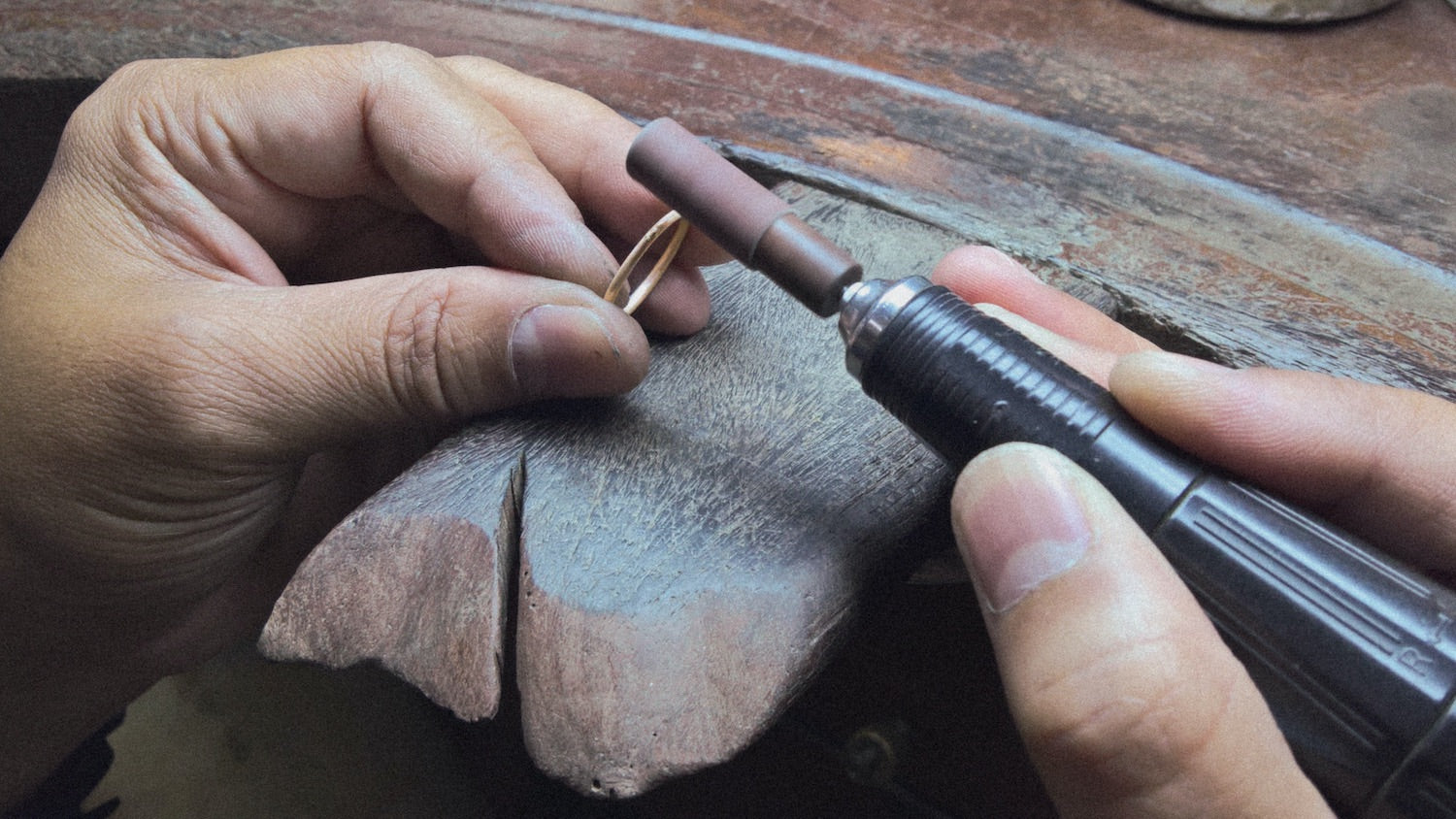
The identity came first. Clean typographic wordmark. A palette pulled from the materials: warm browns, muted sage, cream, a pink accent. Generous whitespace. Typography that stays out of the way. The visual language had to feel restrained and elegant without performing luxury. The product itself had to carry the weight. The branding just needed to get out of the way.
We held to those as hard rules. Every visual element either reinforces what the product actually is or it gets cut. Write “elegantly crafted with love” and the design language exposes it as hollow. If the visual system is built right, the wrong copy can’t hide.
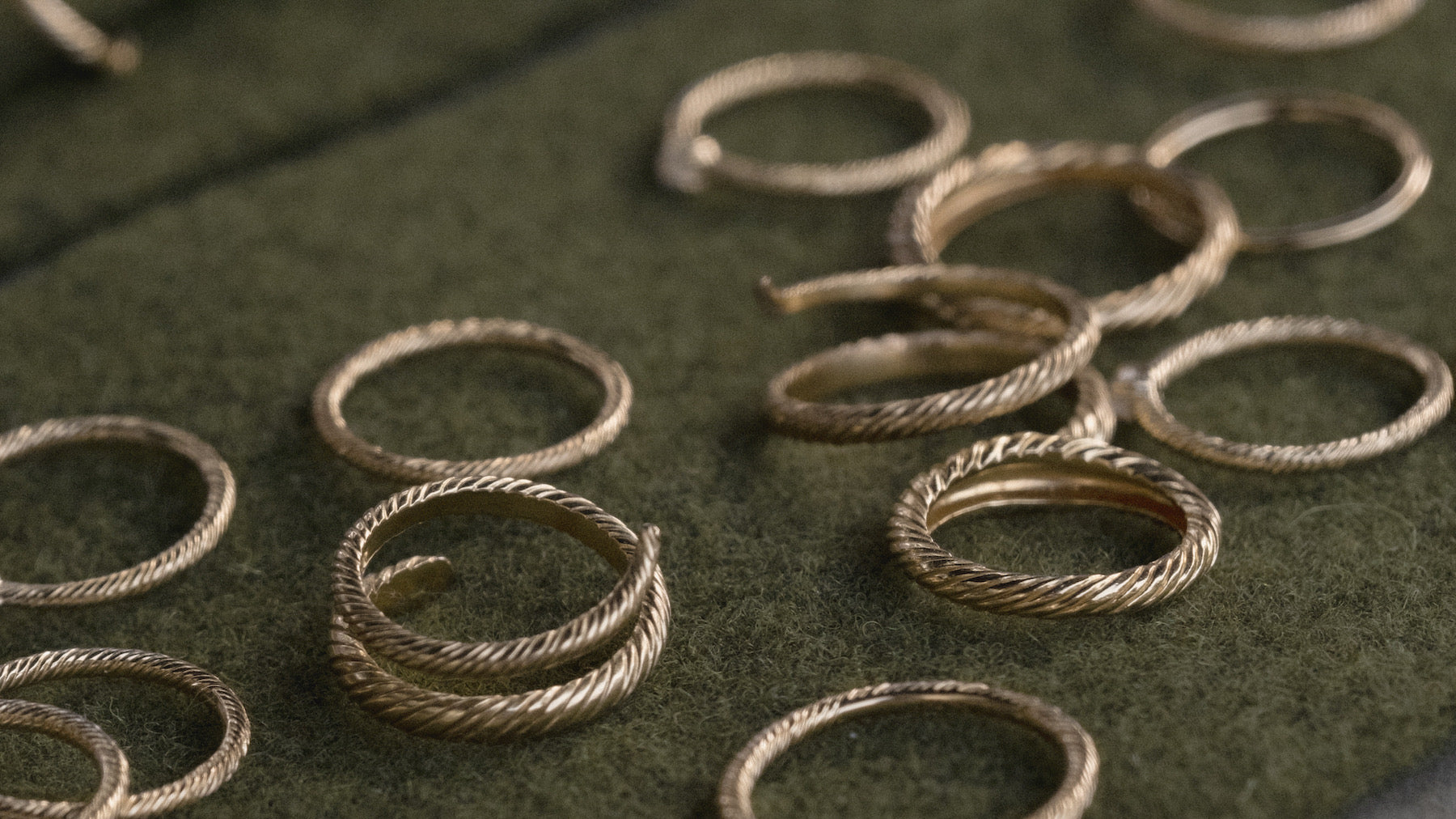
I did all the photography. Camera and post. This is where a brand like this either proves itself or lies. Lighting that shows how gold actually catches light, how a stone sits in a setting, what the texture looks like up close. No retouching that hides the hand-finishing. No color grading that promises something the piece doesn’t deliver. Top-down for the primary shot, angled for the secondary, detail for the third. The aspect ratios change because each piece has different visual weight. The system doesn’t force the photograph into a preset box.
When you see the actual texture of recycled gold under honest light, you’re seeing the quality and the sourcing story without reading a word. The photography does most of the communicating on this site.

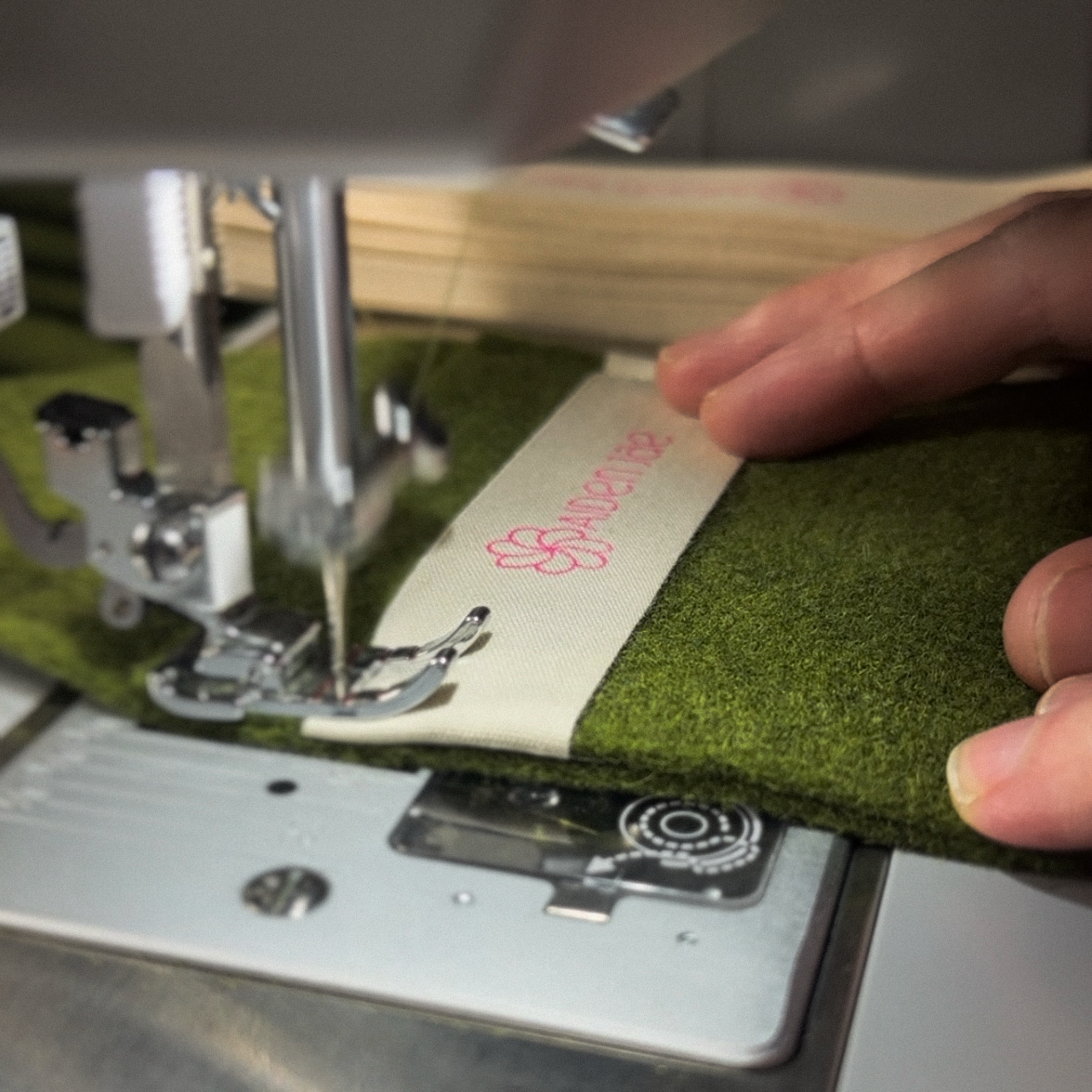
I designed the packaging concepts. The pouches are wool felt, sewn in-house. When the package arrives, the material the customer touches tells the same story the photography started. Every touchpoint is one system, built by the same person with the same intent.

A generic Shopify template treats every product the same: same grid, same spacing, same assumptions. A quality ring in that grid looks like a commodity. So I built a custom system: Liquid templates, SCSS framework, product page architecture. The typography, spacing, and hierarchy reinforce the identity the photography establishes. The template serves the brand instead of overriding it.
Each product page includes the material story, production notes, and design rationale alongside the piece. The platform shows the work instead of hiding it behind marketing copy. That was the whole point.
Each collection carries its own visual identity within the brand system. Banyan is the signature textured gold, Knotted Tropics is gemstone and hemp, then Sunrise, Sunset, Star Light, Star Bright. The grid adapts. Different materials and moods, same underlying logic.
From the announcement bar to the footer, the whole site runs as one integrated system. You see the materials, the process, the sourcing. Nothing is dressed up.

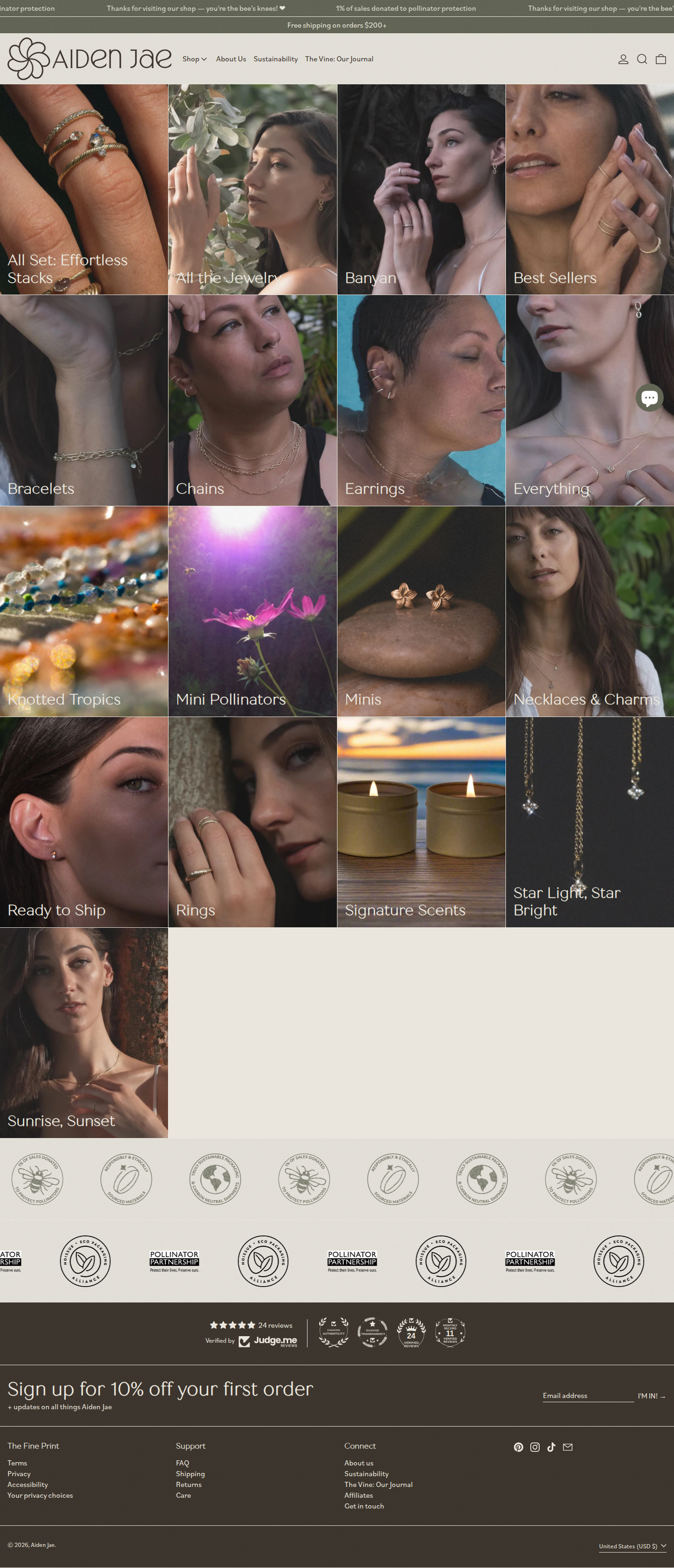
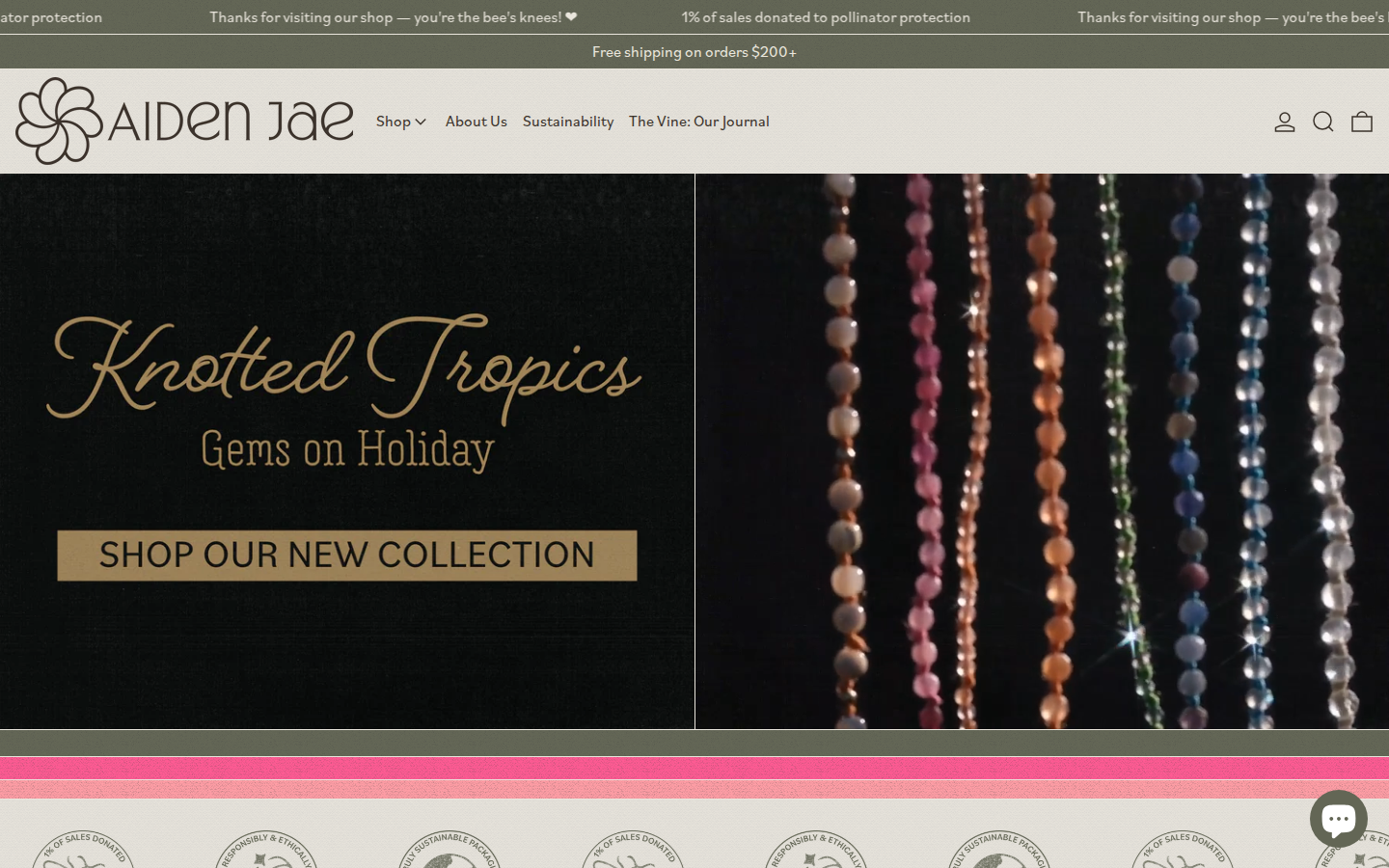
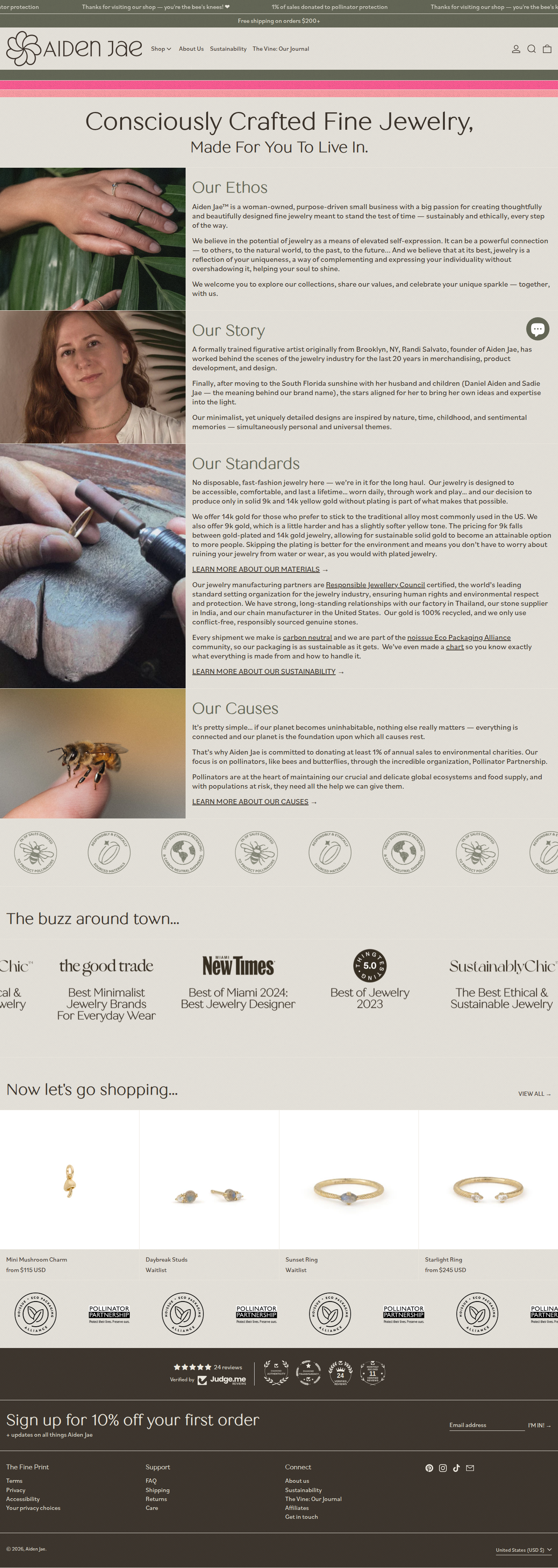
New product lines with different materials and different photography needs still hold the brand logic, because the system is built on principles that flex across collections. The way things are photographed, spaced, and presented does the storytelling before anyone clicks the About page.
The photography only adds up to something because the identity system gives it structure. And the identity only holds because the platform enforces it at every level. The pieces are interdependent.

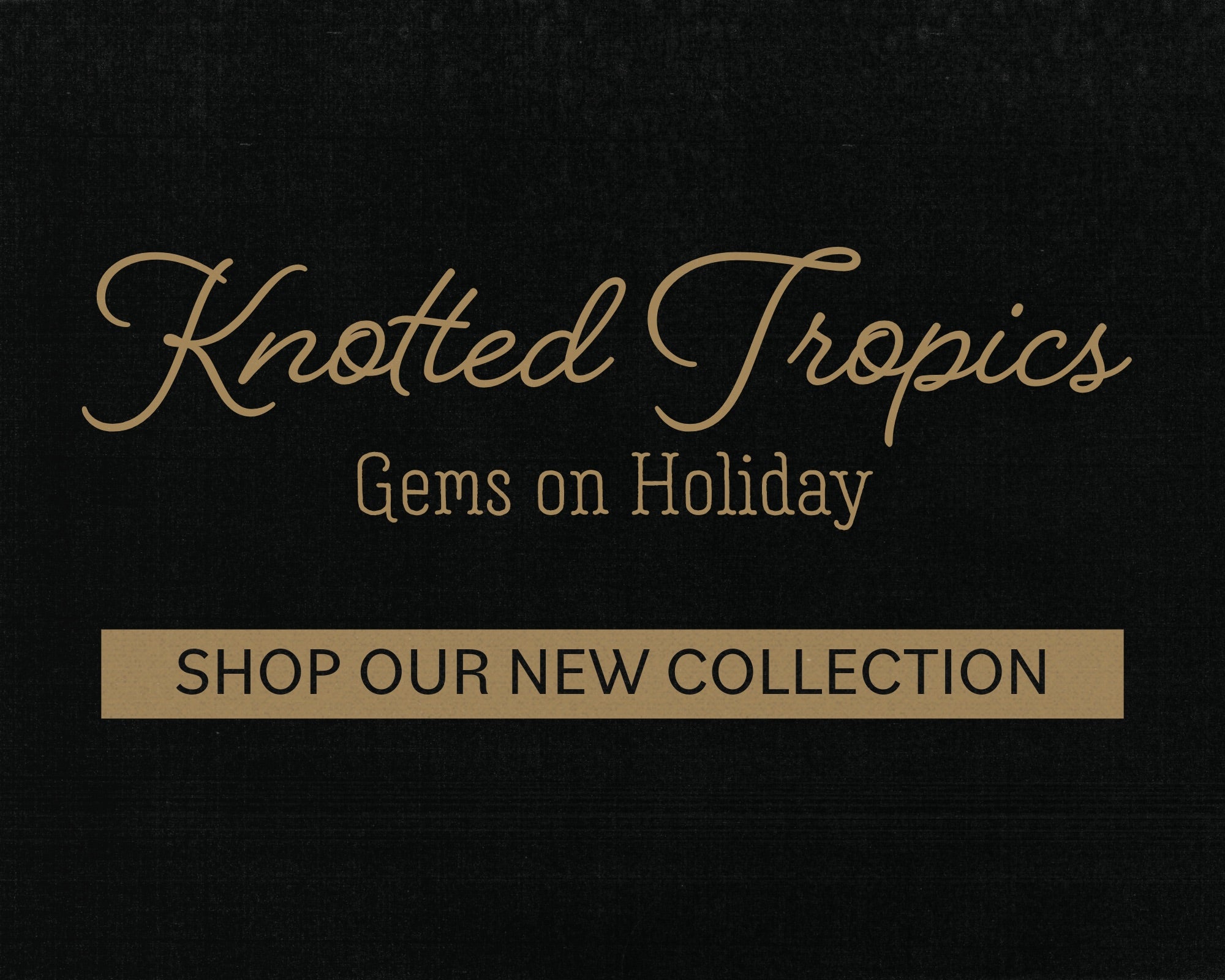
The scope was a business’s entire communicative infrastructure from scratch: identity, photography, platform, packaging, market positioning. One system, where every piece depends on the others to work.
MathOnTape has the same interdependency between visual and sonic systems. That’s the kind of problem I keep ending up with.