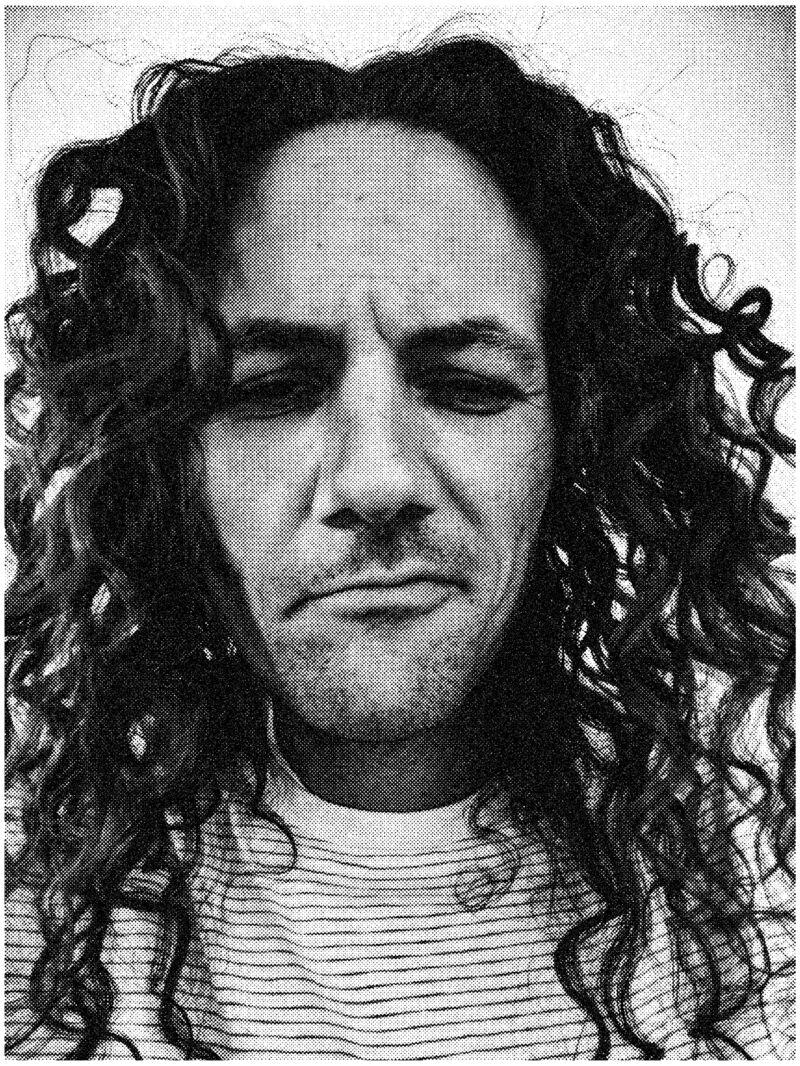
Bio
Construction sites, print shops, enterprise platforms, classrooms, and AI tools. The lineage behind the work.
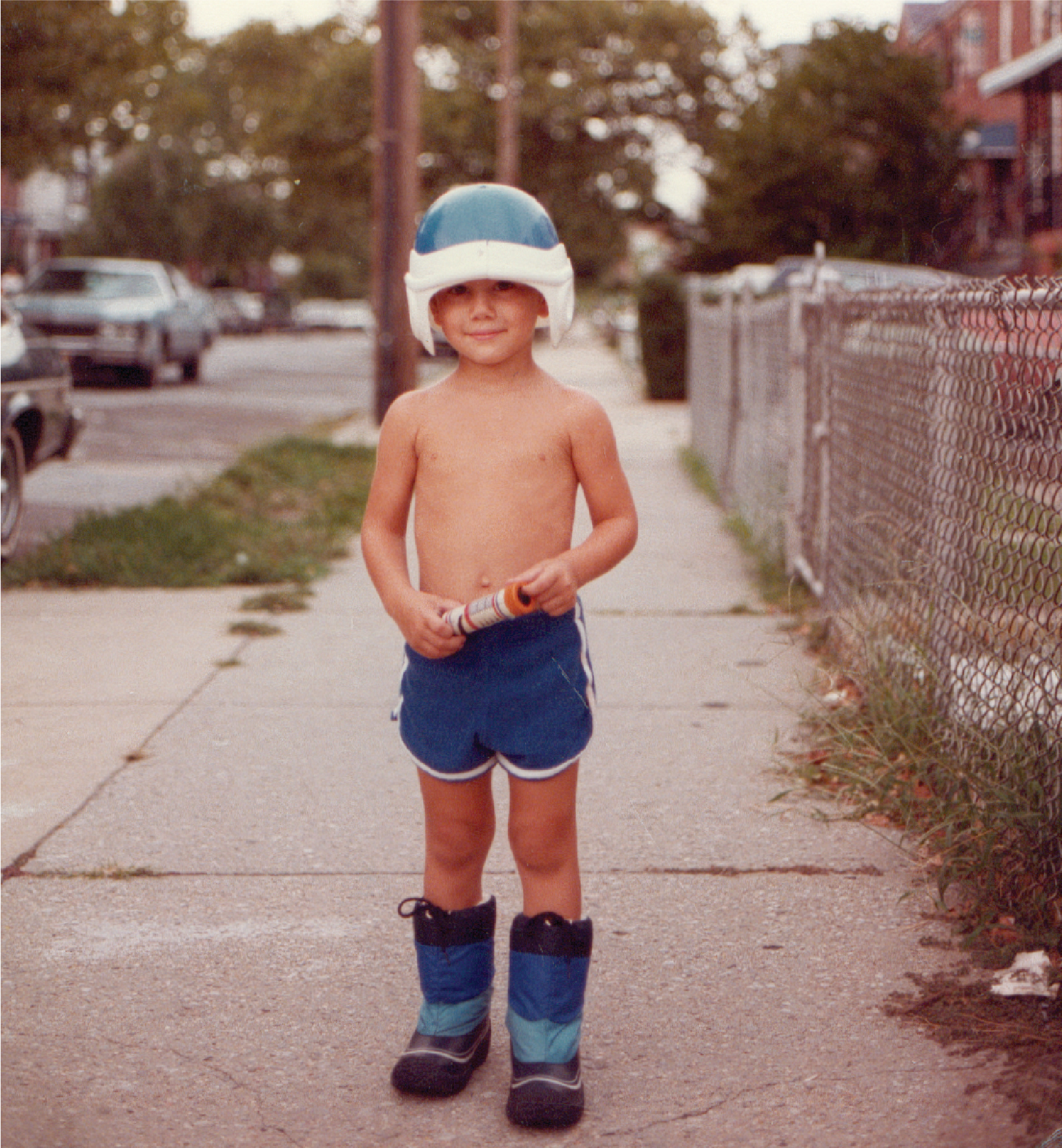 Old Mill Basin, Brooklyn. ~1986
Construction sites, print shops, enterprise platforms, brand systems, and classrooms. I’ve been building things my whole career. The AI tools arrived and made me faster. The methodology came from figuring out why the builds break.
Construction Sites
My father was a general superintendent for general contractors in New York: Bovis, Gotham, Engel Burman. His job was holding the whole picture while fifty trades worked their piece. I grew up on those job sites, watching what happened when the steel met the concrete and when the trades had to coordinate at the joints.
That is still how I think about systems. I look at what is supposed to connect, and I can usually tell where the failure will happen before it does.
SVA
Judith Wilde found me at Kingsborough Community College. She saw a sketchbook, took over my schedule, and spent two years steering my development before sending me to SVA.
At the School of Visual Arts, I studied Visual Communication. Not graphic design as decoration, but as structural discipline. The primary job of a designer is visual communication. Swiss grid, typographic hierarchy, information density. Screenprinting was part of the coursework, and I fell in love with it.
The faculty shaped how I think. Christoph Niemann and Nicholas Blechman taught a class together on how marks and visual language communicate feeling and concept. That marks carry meaning, not just form. James Victore taught me to be fiercely myself and apply the aesthetics that speak to the project. I spent time at Victore’s studio in Beacon working with him directly. Kevin O’Callaghan, Genevieve Williams, Adam Wahler. The through-line from all of them: thinking before making.
Publishing
After graduation, I spent a couple of years in publishing. A short stint in ad/promo at Random House, then Sterling Publishing. Catalogs: hundreds of pages of titles, prices, category breaks, seasonal lists.
Nobody reads a catalog. They navigate it. The grid is the navigation system. Get the hierarchy wrong and the reader gives up before they find what they came for.
I did not know it was called information architecture. I called it catalog layout. The question was the same: given this density and this limited attention, where does the eye go first?
Years later, when UX became a defined discipline, I recognized the problem immediately. I had already been solving it with a pica ruler instead of a wireframe tool.
Screenprinting
I left Sterling and got the job at USA Tees in Brooklyn. Art department and production: color separation, technique, prepress. During that last semester I taught an intro to graphic design course at Kingsborough, the same place Judith Wilde found me. After USA Tees I taught special education for a year, then we moved to Fort Lauderdale, where I worked at Atlas Embroidery.
Separation means you never work on the image. You work on a channel. One color at a time, breaking a whole into separate layers that reconstruct it when they register. You make decisions about how colors interact when they overprint (opacity, trapping, bleed) before any of that is visible. The whole composition exists only in your head while you’re building a single screen.
That’s how I’ve worked ever since. Every SCSS cascade, every function chain, every stage in a multi-agent workflow, you’re working on a channel. The whole only exists when the layers register.
Special Education
Before the enterprise work, I taught special education for the NYC Department of Education in Sunset Park, Brooklyn. A self-contained fourth and fifth grade bridge class: students with behavioral challenges alongside students with developmental disabilities. The work was reading each student: what they actually needed, what the system was asking of them that they couldn’t give, where the accommodation had to happen for them to get through the material.
“I know what it costs when the system asks too much of the person using it.”
That skill (reading the room at the individual level, building structure that accommodates without requiring anyone to explain what they need) transferred directly into everything I have built since. The accommodation design framework started in those classrooms.
Every system I have built since starts by reading the person on the other end before designing anything.
Thirteen Years at Cluen
Back in New York, I had a project support position at Metis Associates. When that ended, I got the job at Cluen Corporation. The Encore Platform, a recruitment engine serving some of the largest organizations in the world. I’ve spent thirteen years building the front end: modular JS framework, full SCSS design system, information architecture across one of the most complex recruiting platforms in the industry.
Thirteen years is long enough to see three major technology shifts come and go. Long enough to learn that the hard part is not building something. It is keeping it alive while everything around it changes, and keeping everyone working on it aligned while the decisions accumulate.
I made the case for moving the platform to the browser, then built it. The platform never stopped running while I rebuilt the layer it ran on. FormWork came from watching what happened over those thirteen years when the decisions lived in my head instead of in the project.
The Household
The same read I bring to platforms and classrooms runs the house. Meal prep, morning routines, grocery systems. I built the infrastructure so nobody has to make decisions before they have the bandwidth for them.
Music
I grew up in New York’s club and rave culture in the late nineties: Tunnel, Twilo, underground parties to major venues. DJs like Sasha and Digweed playing six-hour sets to rooms of 3,000 people. I never DJed for a room. What I took from those years was an ear for pacing and sequence.
“The entire room felt charged. You could read your emotions on the faces of other people.”
Release is an acoustic singer/songwriter record on all major streaming platforms, sequenced as an emotional arc the way a DJ would build a set. MathOnTape is electronic music explorations branded as a project so I can work both the audio and the visual identity together. Neither has a commercial goal. They are practice.
The New Material
In 2023 I started thinking out loud into AI tools the way I’d been thinking into sketchbooks and production shops for twenty years. The first thing I did was what I’d done with every system before it: ask what it actually needs to do the job. How does it find context? Where does it lose the thread? What does it need from me so the thinking survives? The tool was new. The question was the same.
The worst loss was a novel. Months of New City ideation distributed across dozens of sessions, the continuity severed when the sessions closed. That loss built the Savepoint Syntax. The first version failed immediately. Three more before the structure held. Then the same problem surfaced in code: contributors contradicting each other’s architectural decisions. That produced FormWork.
The failure modes were not new. Joints that cannot carry load, context that drifts when nobody maintains fidelity to it, structures that break when the people operating them cannot see what has already been decided. I have been solving that problem since construction sites. That corpus, three years of sessions and thousands of conversations, became the raw material this site was compiled from. The tools are different now, but the engineering is the same engineering I learned watching my father coordinate fifty trades.