
Encore
12-Year Enterprise Platform Evolution
Updated February 2026
My friend Bryan and I knew each other from the music scene. When I was between gigs he heard about it, passed my resume to his boss. I got a meeting the next week. They heard “web guy” and figured I’d be useful.
I walked in and found a Windows Forms application. Desktop-only, OS-dependent. The software was good, genuinely good, thirty years of decisions without drift, made by the person who wrote it in his dorm room and had been running it ever since.
But the delivery layer was about to close the platform off from everywhere the market was heading. I made the case for the browser. OS-agnostic, wider reach, better positioned. They said yes.
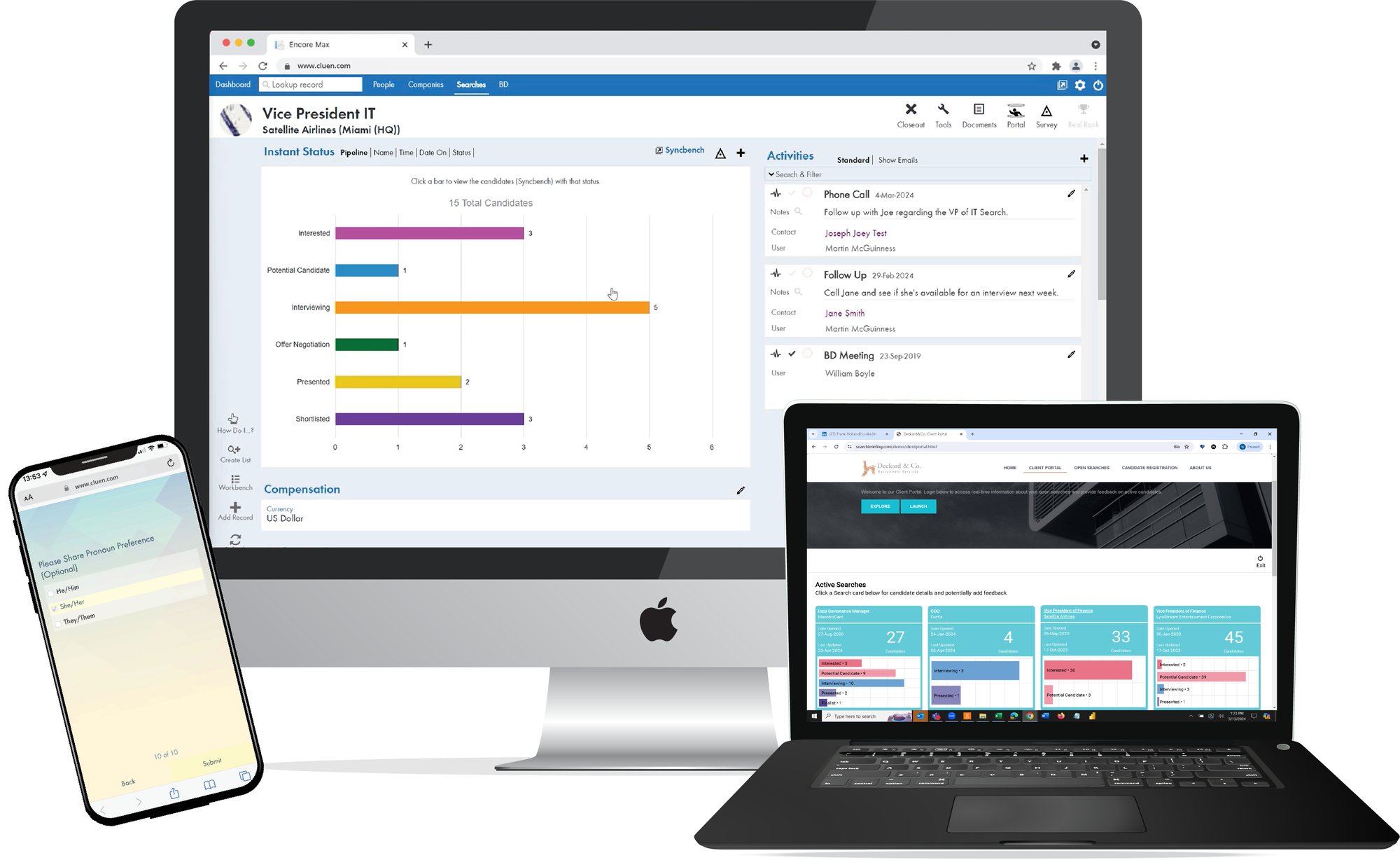
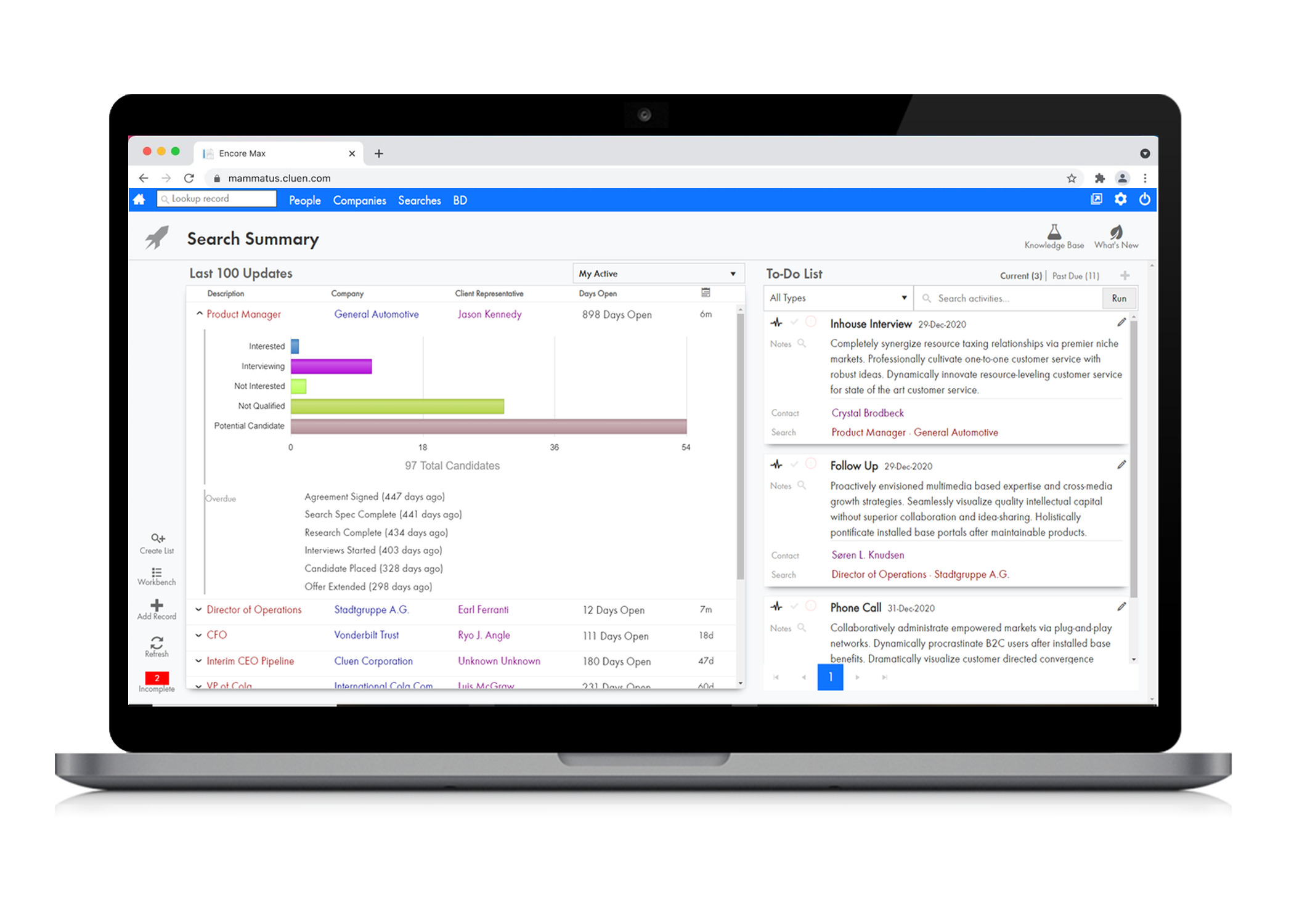
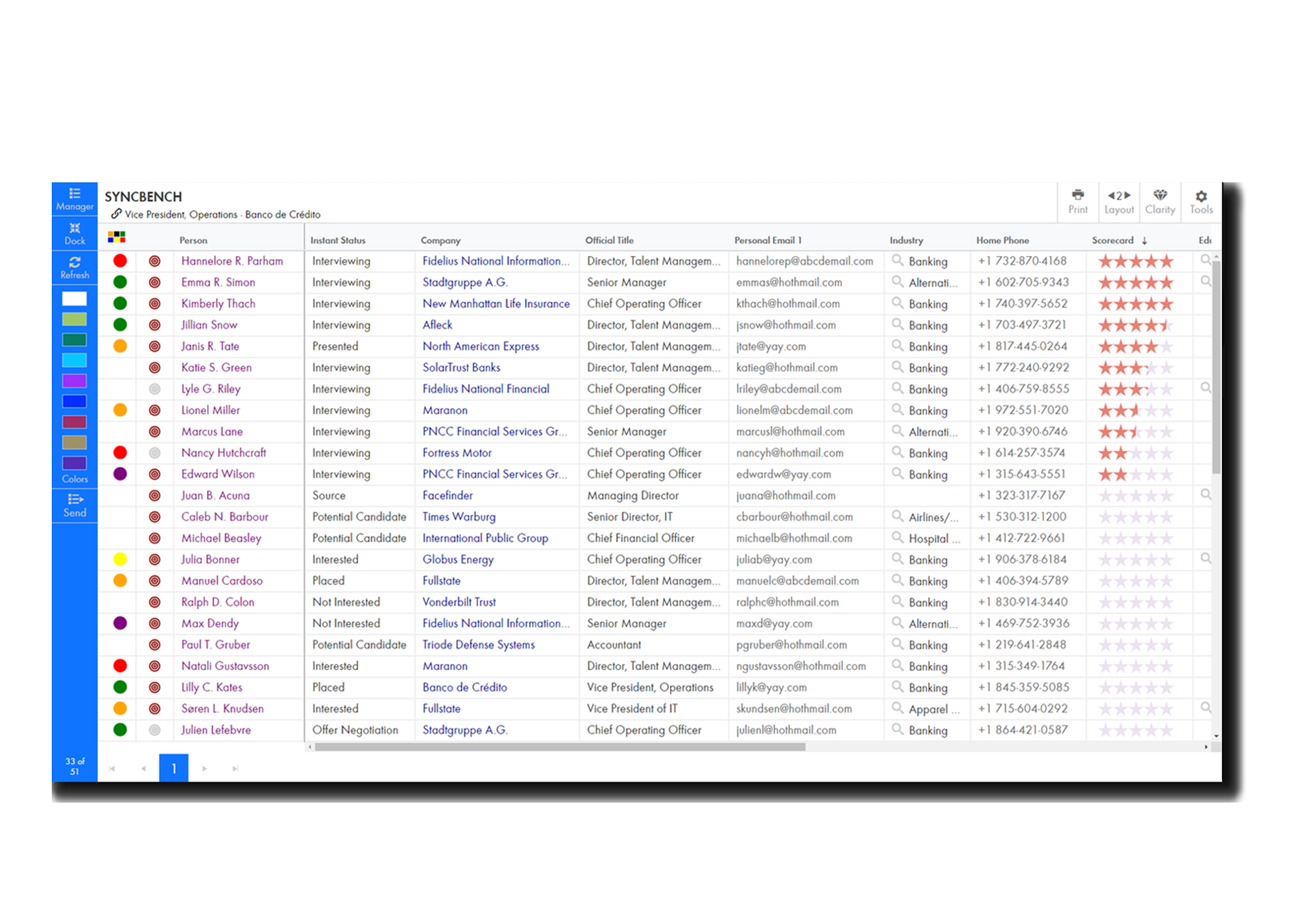
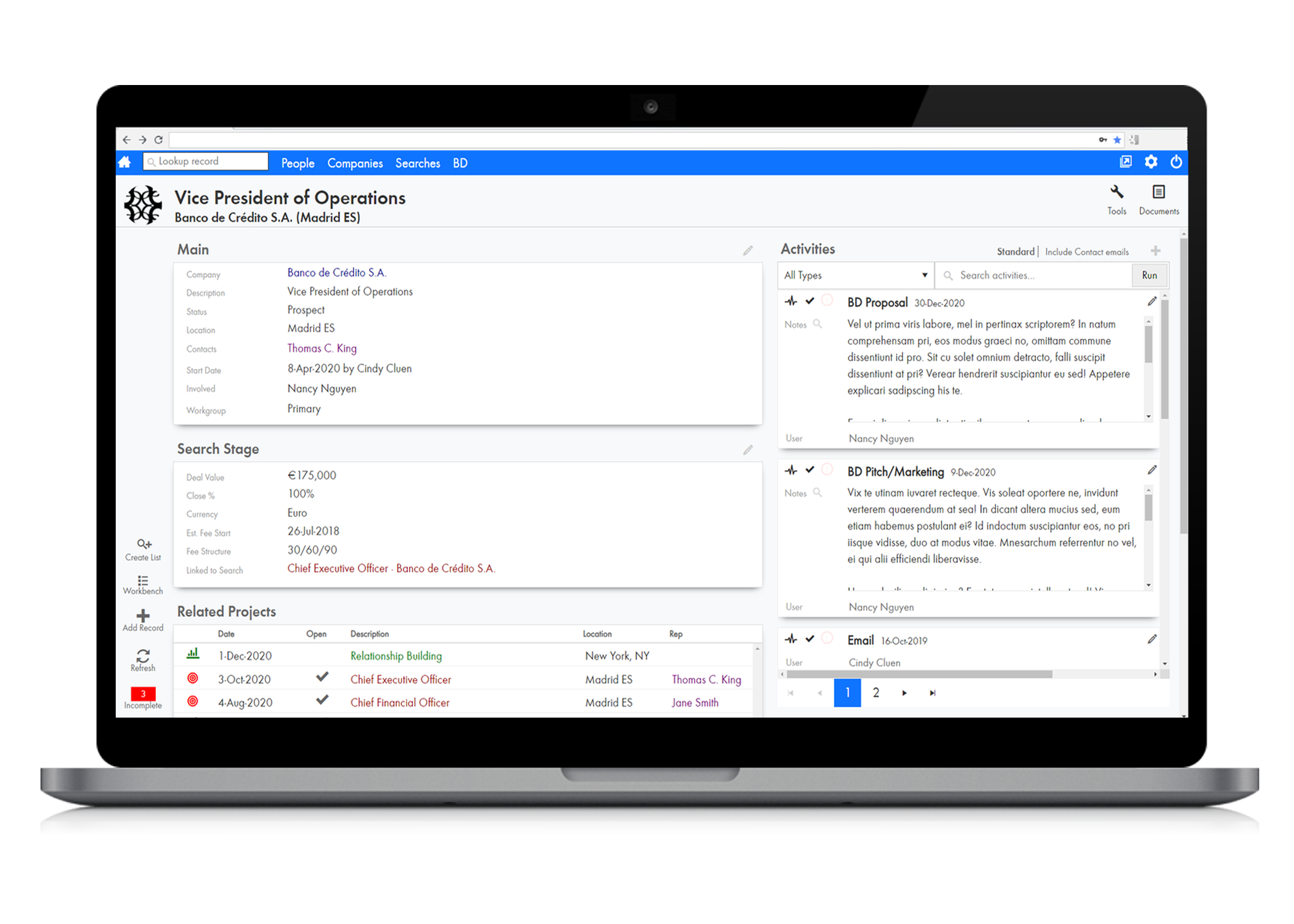
Then I built it. The front-end from scratch: a modular namespaced JS framework, a full SCSS design system, information architecture across one of the most complex recruiting platforms in the world. Rolling dev, staging, and production servers meant the platform never stopped running while I built the layer it now runs on.
That was 2013. I still work alongside the person who wrote the original software. The platform runs inside organizations I can’t name, but you’d recognize them. The rest of the industry went browser-based. Twelve years in, the call held. Turns out that’s exactly what a web guy was for.
The institutional memory that accumulated across twelve years of this platform (what was decided, why, what not to touch) eventually became the Formwork Protocol.
This is how I work. If it sounds like what you need, let's talk.